Introduction: 2015 homes
Homes constructed in 2015 constitute a completely precise and crucial length in modern-day residential creation. Falling among older conventional housing and these days’s clever, eco-aware homes, 2015 homes regularly strike a stability amongst affordability, durability, modern-day format, and sensible era. Whether you are a client, investor, homeowner, or actual asset fanatic, understanding the trends of houses constructed in 2015 will allow you to make smarter alternatives.
This complete manual explores 2015 houses in detail, covering architectural tendencies, advent requirements, materials used, power performance, unusual layouts, benefits, negative additives, resale charges, preservation worries, and shopping for hints. We’ll additionally encompass essential tables to help summarize important records simply and effectively.
What Are 2015 Homes?
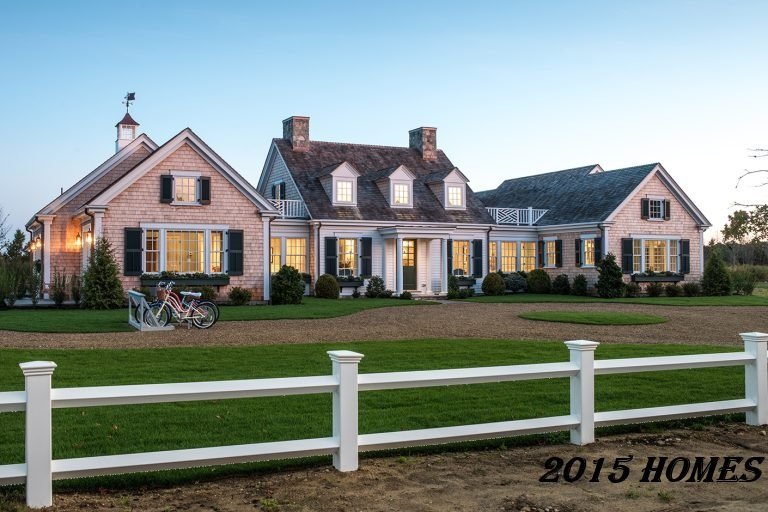
2015 homes seek recommendations from residential homes—unmarried-owned family homes, townhomes, and condominiums—constructed across the 12 months of 2015. These homes have been built sooner or later over time whilst:
- Post-recession manufacturing standards stabilized
- Energy performance codes had been being enforced more strictly
- Open floor plans were turning mainstream.
- Smart domestic technology become developing but not however dominant
As an end result, 2015 houses regularly feature current layouts, improved insulation, up-to-date electric systems, and long-lasting construction substances compared to older houses.
Why 2015 Homes Are Still Highly Relevant Today
Even a decade later, houses built in 2015 continue to be well-known in the housing marketplace. They are new enough to avoid many structural problems common in older houses, yet vintage enough to be priced more cheaply than brand-new creations.
Key reasons for the persisted name for encompass:
- Balanced fee-to-extremely good ratio
- Modern aesthetics without out excessive automation
- Fewer instant restore desires
- Compliance with up-to-date safety and strength codes
Architectural Design Trends in 2015 Homes
1. Open Floor Plans
One of the defining functions of 2015 homes is the open-concept layout. Kitchens, consuming areas, and residing rooms often flow collectively, growing big, multifunctional regions.
2. Transitional Architecture
Rather than intense contemporary-day or traditional patterns, many 2015 homes were accompanied by transitional designs, mixing conventional factors with present-day finishes.
3. Large Windows and Natural Light
Builders emphasized natural lights, incorporating massive home windows, sliding glass doors, and airy interiors.
4. Neutral Color Palettes
Grays, whites, beige, and easy earth tones ruled indoor and outdoor designs, making homes much less complicated to customize.
Common Types of 2015 Homes
| Home Type | Description | Ideal For |
|---|---|---|
| Single-Family Homes | Detached houses with private yards | Families, long-term homeowners |
| Townhomes | Multi-level homes sharing side walls | First-time buyers, urban living |
| Condominiums | Units within larger buildings | Low-maintenance lifestyle seekers |
| Duplexes | Two homes in one structure | Investors, multi-generational families |
Construction Quality and Building Standards
By 2015, creation practices had drastically improved in comparison to earlier in the long term. Many 2015 homes have been built following stricter tips related to safety, insulation, and structural integrity.
Key Construction Features
- Reinforced foundations
- Improved roofing substances
- Updated plumbing and electric-powered systems
- Fire-resistant constructing materials
Energy Efficiency in 2015 Homes
Energy overall performance became a first-rate popularity round 2015 due to rising electricity fees and environmental reputation.
Energy-Efficient Features Commonly Found
- Double-pane home windows
- Better wall and attic insulation
- Energy Star-rated home device
- Efficient HVAC systems
Energy Efficiency Comparison Table
| Feature | Pre-2000 Homes | 2015 Homes | New Construction |
|---|---|---|---|
| Insulation Quality | Low | Moderate to High | Very High |
| Window Efficiency | Single-pane | Double-pane | Triple-pane |
| HVAC Efficiency | Outdated | Energy-efficient | Ultra-efficient |
| Energy Costs | High | Moderate | Low |
Interior Features of 2015 Homes
Inside an ordinary 2015 home, you’ll frequently locate:
- Granite or quartz countertops
- Hardwood or engineered wooden floors
- Stainless metal home gadget
- Walk-in closets
- Attached garages
- Laundry rooms (in preference to basements)
These abilities remain relevant even in recent times, contributing to a robust resale charge.
Smart Home Technology in 2015 Homes
While now not as superior as modern-day smart houses, 2015 homes often embody clever, organized abilities, together with:
- Programmable thermostats
- Pre-careworn out safety structures
- Cable- and internet-prepared infrastructure
Many owners have because of the truth that they upgraded the old systems with present-day smart devices.
Pros of Buying a 2015 Home
1. Modern Design Without Premium Pricing
You get contemporary layouts and finishes without paying new-production expenses.
2. Lower Maintenance Needs
Major systems like roofing, plumbing, and wiring are, despite the reality, quite new.
3. Established Neighborhoods
Most 2015 houses are placed in communities with mature landscaping and amenities.
4. Strong Resale Potential
These homes attract a big type of customer.
Cons of Buying a 2015 Home
1. Not Fully Smart
May lack included clever home technology placed in extra recent homes.
2. Builder-Grade Materials
Some finishes might not be pricey.
3. HVAC or Roof Aging
Systems can also, moreover, start wanting opportunity within the next decade.
Maintenance Considerations for 2015 Homes
Even nicely constructed homes require renovation. Common checks include:
- HVAC servicing
- Roof inspections
- Plumbing fixture updates
- Appliance replacements
Typical Maintenance Timeline Table
| Component | Expected Lifespan | Status in 2015 Homes |
|---|---|---|
| Roof | 20–30 years | Mid-life |
| HVAC | 12–20 years | Aging |
| Water Heater | 8–12 years | Likely replacement |
| Appliances | 10–15 years | Mixed condition |
Resale Value and Market Demand
Homes constructed in 2015 usually maintain a strong resale price because of:
- Modern attraction
- Functional layouts
- Reasonable upgrade charges
They often promote faster than older homes; however, they can be priced beneath new builds.
Are 2015 Homes a Good Investment?
From an investment thought-set, 2015 houses offer:
- Lower in advance costs than new production
- Fewer safety than older houses
- Good apartment enchantment
- Strong appreciation capability in growing areas
Buying Tips for 2015 Homes
Before shopping for, recall:
- Professional home inspection
- HVAC and roof scenario
- HOA guidelines (if relevant)
- Local marketplace developments
Who Should Buy a 2015 Home?
2015 homes are best for:
- First-time clients
- Growing families
- Real property investors
- Buyers looking for modern-day functions at decrease prices
Comparison: 2015 Homes vs Older and Newer Homes
| Factor | Older Homes | 2015 Homes | New Homes |
|---|---|---|---|
| Price | Lower | Moderate | Highest |
| Maintenance | High | Moderate | Low |
| Design | Traditional | Modern | Ultra-modern |
| Energy Efficiency | Low | Good | Excellent |
Future Outlook
As housing expenses continue to push upward, 2015 houses are expected to:
- Remain in immoderate call for
- Appreciate step by step
- Serve as a bridge amongst affordability and modern-day dwelling
With enhancements, those homes can compete efficaciously with more recent introductions.
Final Thoughts
2015 houses provide a first-rate balance of modern layout, strong manufacturing, energy performance, and affordability. They are vintage enough to not be pricey but new enough to meet present-day manners and lifestyle expectancies. For customers and customers alike, homes built in 2015 remain a clever, practical, and destiny-proof desire.
If you’re considering shopping for or making an investment in actual assets, a nicely maintained 2015 home can provide a prolonged-time-period fee, comfort, and monetary stability.
Disclaimer
This article is for informational purposes only and does not constitute legal, financial, or real estate advice. Market conditions, property values, and regulations may vary by location and change over time. Readers should consult qualified professionals before making any property-related decisions.